Evening archetypes
Examples: "hands-off oven," "twenty-minute pan," "breakfast-for-dinner," "shared leftovers." You later map real recipes or takeaway allowances into those slots.
Planning architecture · Tiers & slack
These pages walk through how we layer shopping, prep, and service descriptions for a typical New Zealand household. Nothing here prescribes nutrient amounts, replaces clinical guidance, or ranks your habits. Use each table as a thought experiment you adapt locally.
Educational content only · Not medical or dietetic advice · NZ-based service
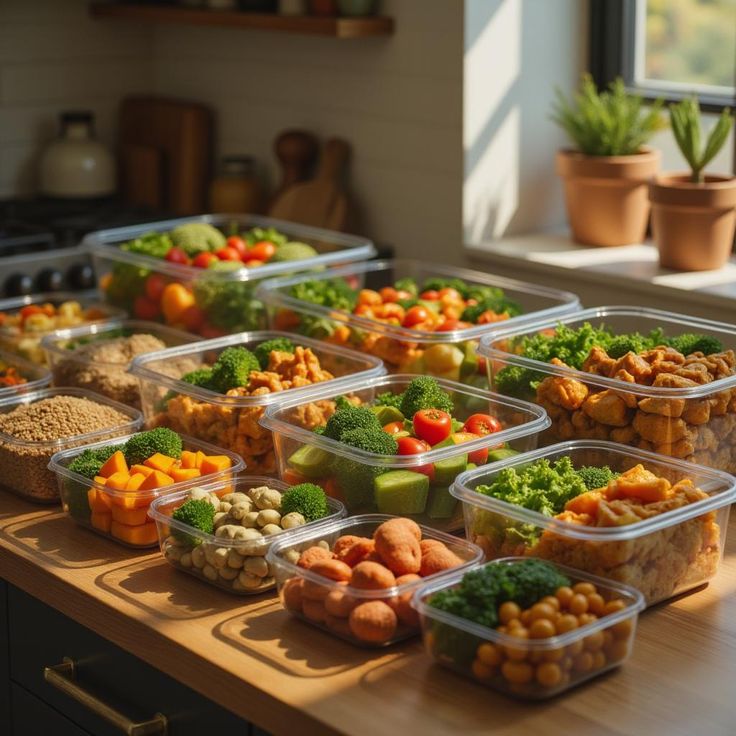
Households rarely need identical precision every season. Tiers let you enter at the depth that matches your attention budget: a light outline in busy months, richer component notes when you feel curious about batching.
If you outgrow a tier mid-quarter, you graduate pieces upward without discarding the whole sheet. That continuity matters when children change schools or commutes shift.
We prefer verbs over adjectives: "assemble," "simmer," "reheat," "shop." Glossy adjectives about outcomes stay out because they imply performance metrics we do not measure.
Colour highlighters are optional; if you use them, legend them once on the margin so future you understands the system.
Tier one
Name each evening with a behaviour label, not a dish title yet.
Examples: "hands-off oven," "twenty-minute pan," "breakfast-for-dinner," "shared leftovers." You later map real recipes or takeaway allowances into those slots.
List brown rice, oats, tinned fish, plain yoghurt: items that restock slower than lettuce. That column prevents the produce section from pretending to carry the whole week.
Berries early week, cabbage later. Write gentle reminders rather than rigid day locks so a rainy markets day does not collapse morale.
Note who plates children before adults, or when flatmates stagger home. Plans breathe better when mealtimes reflect how food actually lands on the table.
Tier two
Pick two cooked foundations that can dress differently: roasted roots, braised legumes, slow-cooked proteins, or grain pots. The goal is fewer distinct cooking sessions while preserving plate variety.
Tier three
We note what regional produce tends to cost less each quarter in broad strokes, then pair each seasonal emphasis with a pantry or frozen fallback when weather or prices spike.
Tiers describe planning craft, not biological need. Nutrient adequacy for individuals belongs with registered professionals.
Friction watch
If three weeknights need chopping, cluster them or buy pre-cut once without shame.
When one shop misses an ingredient, note an alternate route before hunger strikes.
Flatmates or teens on odd shifts need labelled portions so the plan survives surprise guests.
Concrete tools
Bundles vary by season; typical inclusions are listed for transparency—not as a remote sales obligation.
Printable A4 and narrow fridge strips with whitespace for margin notes.
Five-minute debrief questions after the week—logistical, not emotional scoring.
Checkbox tabs for grains, legumes, flavour knots you already stock.